Pre-built. Hand it to your agent.
What you get: blueprints, agents and skills we build inside our own agent org, kept here whether or not you were there the day they dropped. Each one lands in its own folder inside your workbench, beside your work, never on top of it.
Agents · None in the vault yet
The first agent lands here
When the first one lands it shows here as a card, the same card the blueprints use.
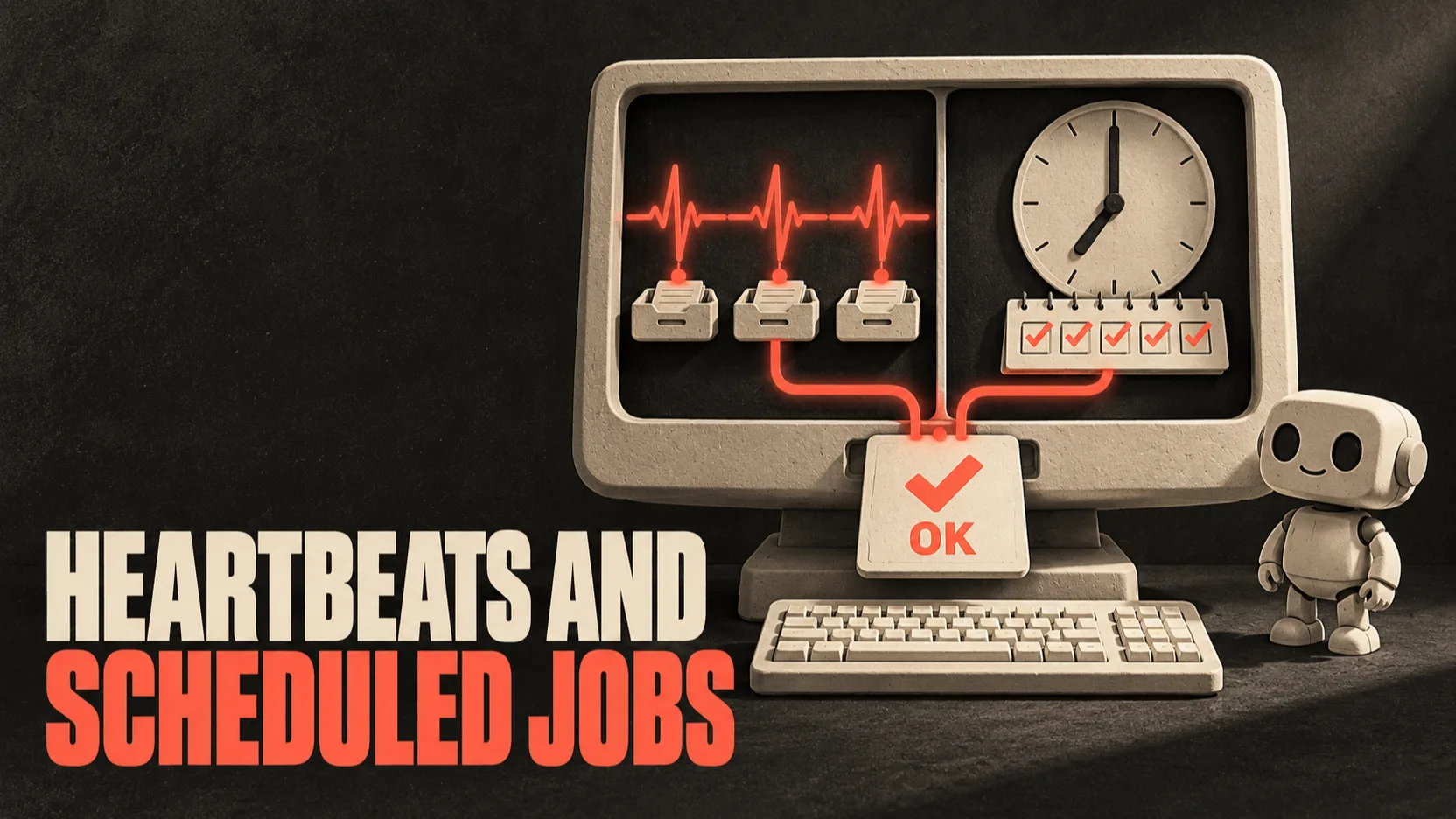
Heartbeats and Scheduled Jobs.
Your agent puts a job on your computer's own scheduler, every few minutes or at a set time each day, so it runs while you are away, and a status line tells you whether it really ran: OK, FAIL and why, or yesterday's time.
Research to Cairns.
Your agent researches a question from the sources you hand it or the web, with a citation on every claim and a plain note on what it could not cover. Saving the evidence is optional. From drop one.
Build Ledger.
An audit trail for anything you build with an agent: what was done, why, what else was considered, who said yes. One record in Markdown for you and one in JSONL for the agent, written as you go.
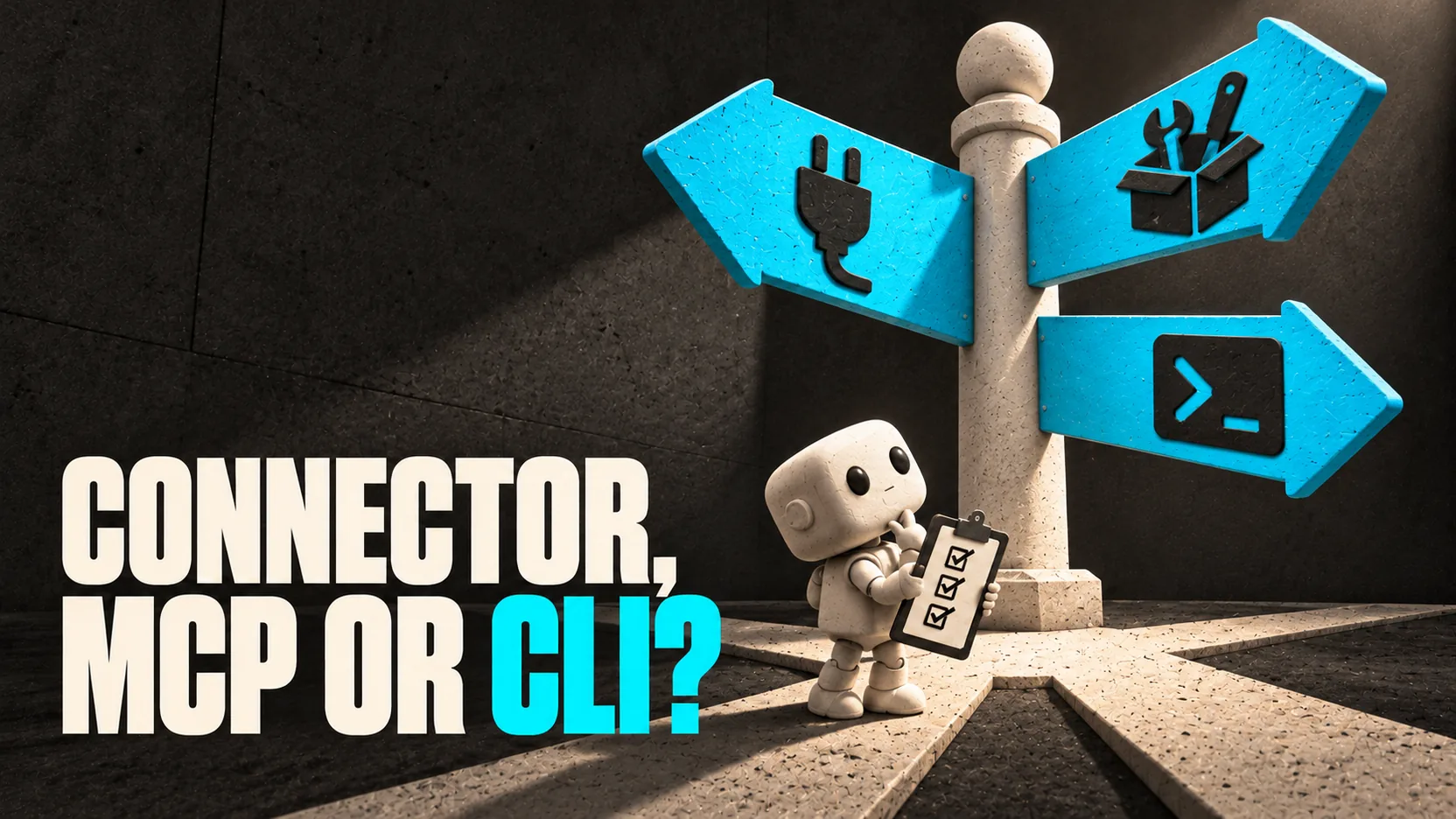
Your Own Tools.
Three parts, each works on its own: decide between a connector, an MCP or a CLI; build your own CLI; then put it to work with skills.

Ship It.
Two parts: keep your keys in Infisical so your agent never sees them, then put a page online with a real sign-in and database.
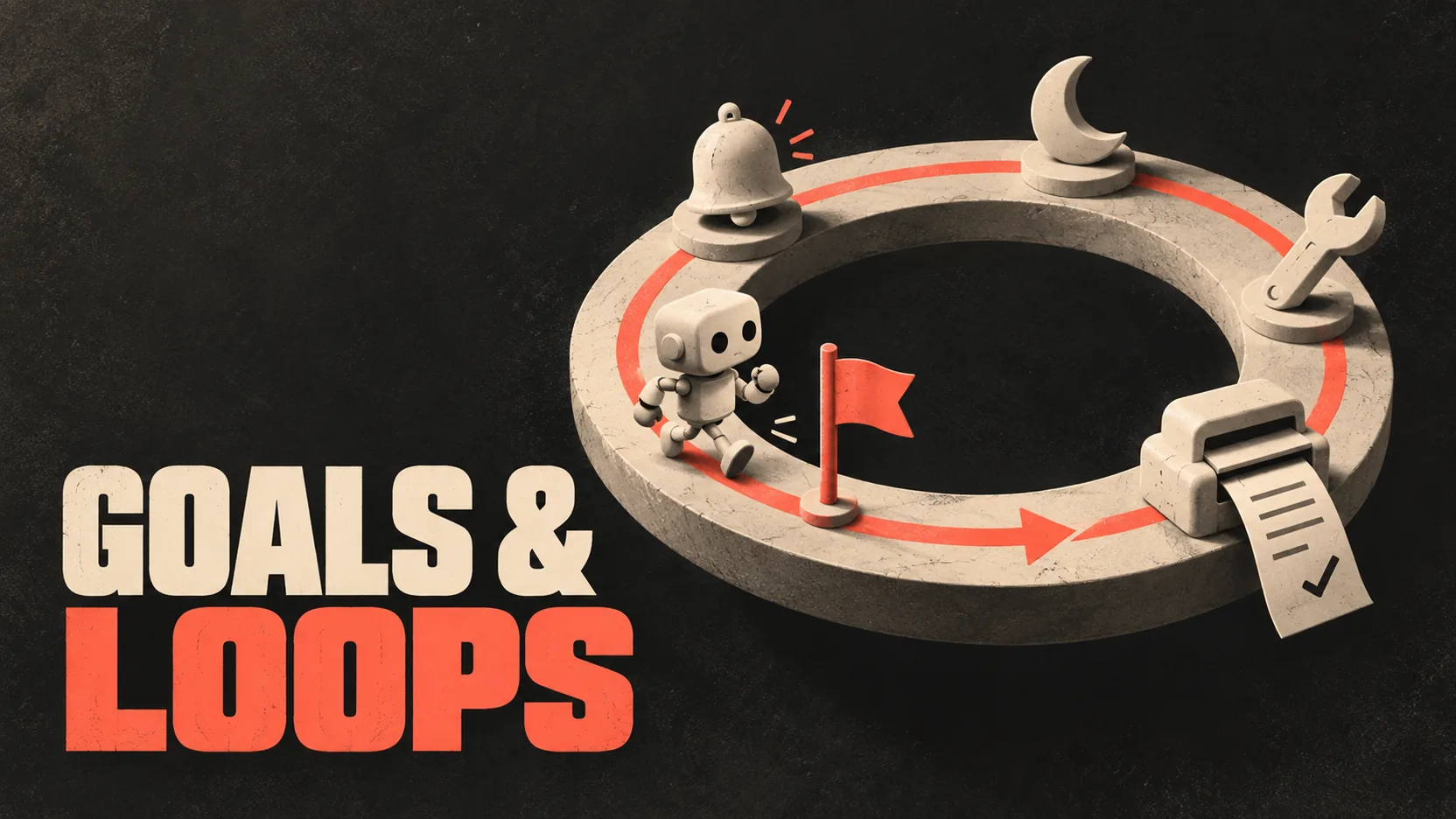
Runs on its own.
Two parts: write a goal your agent can finish and keep a loop that grows your library, then put it on your computer's scheduler with a receipt that proves each run.
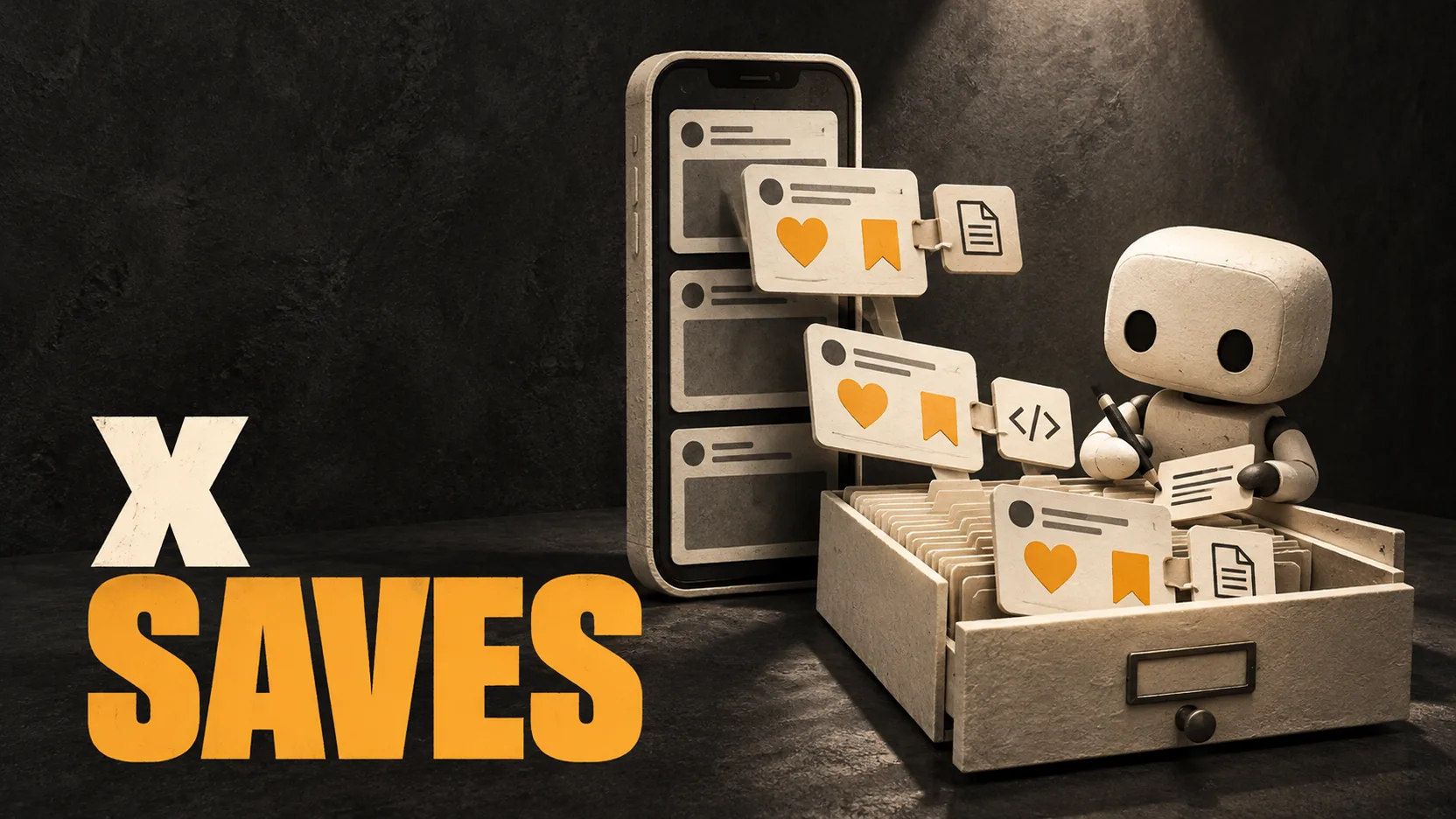
X Saves.
Like or bookmark a post on X and it lands in your own library: the post, the full Article, the pages and repos it links to, and a short note from your agent on why it matters.

Clean Your Client Calls.
Hide the names in your client calls before any AI reads them. A free app on your computer swaps every name for a code, your agent reads only the clean copy, and the real names come back before you send anything.
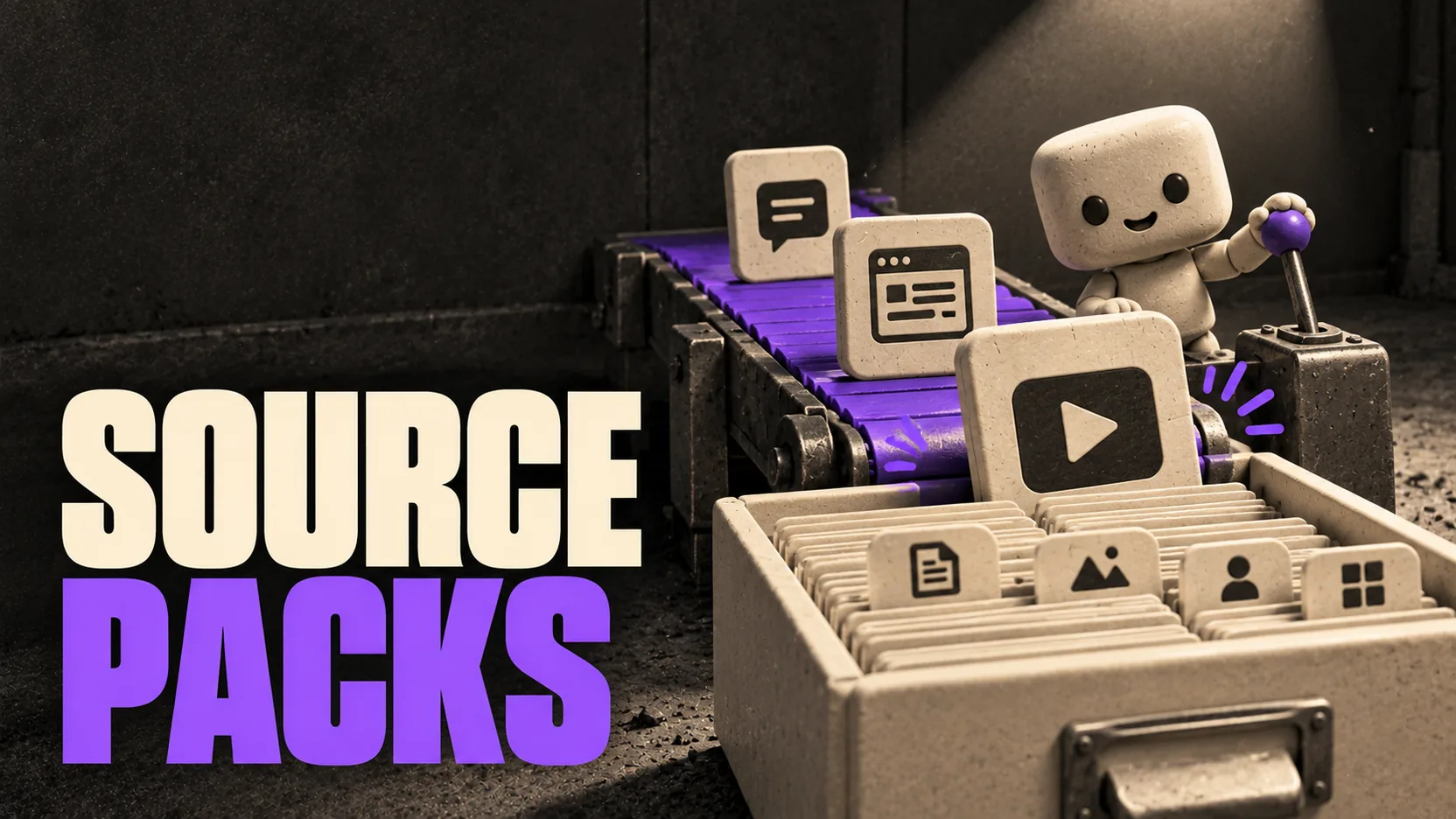
Source Packs.
Your agent pulls the latest from the channels, sites and accounts you follow into short notes in your own library, free routes first, with a ledger so it never pulls anything twice.
Decide: Connector, MCP or CLI.
Before you build anything, find out whether a connector, an MCP, a shipped CLI or your own build is the right way for your agent to reach a tool, and write the answer down with its evidence.
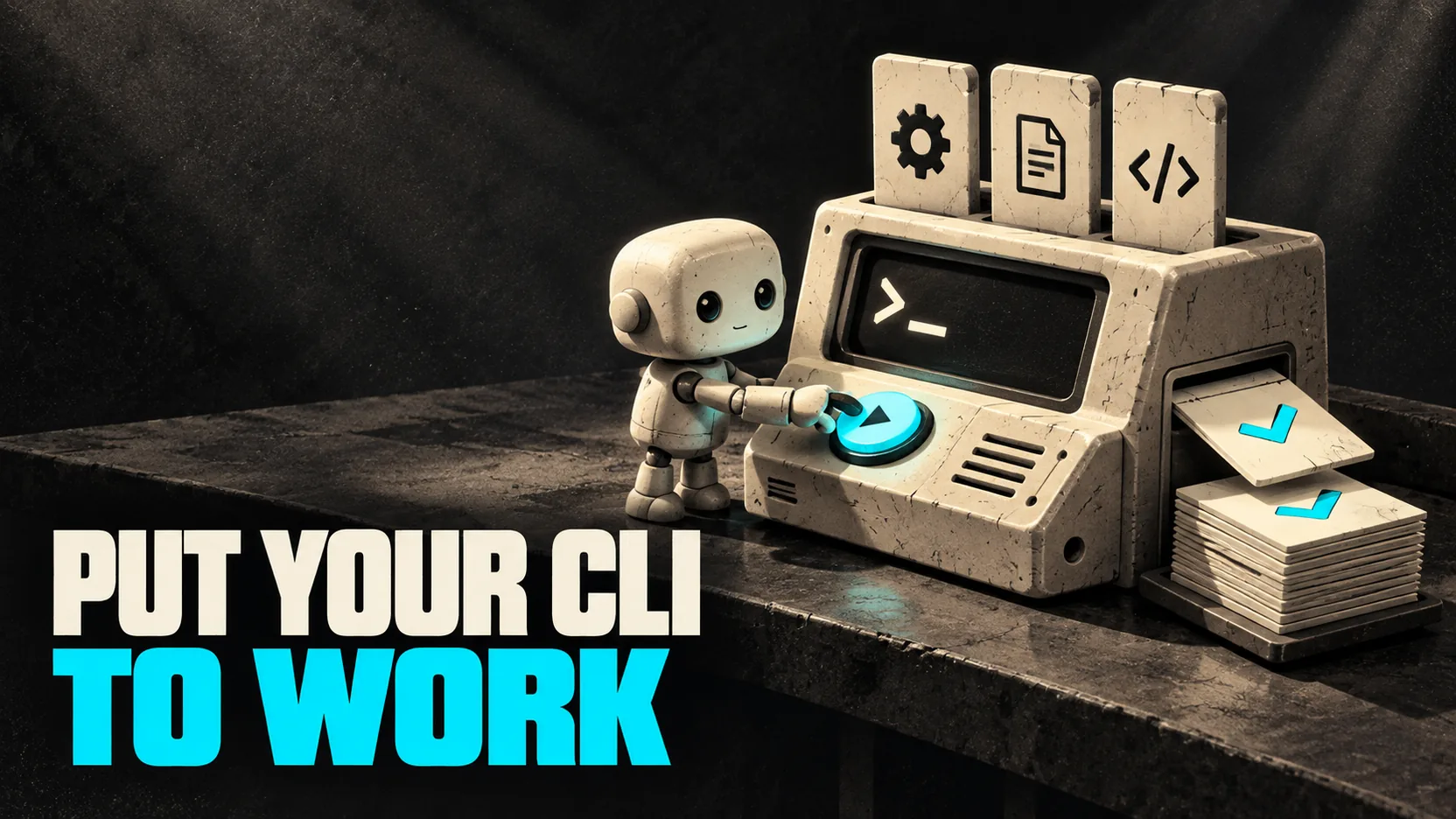
Put Your CLI to Work.
Put a CLI you built or borrowed to work with skills for the jobs you repeat, skills that make more skills, and a check on keys, identity and accounts.

Put a Page Online.
Your page, live at its own address and open on your phone: Vercel or Netlify for the page, Supabase for sign-in and a locked table, your look from a DESIGN.md.
Keys, the First Time.
Keep an API key in Infisical so your agent can use it through infisical run without the value ever reaching the chat, a file or your shell history.
Goals and Loops.
Write a goal your agent can finish, watch a loop and stop it yourself, then keep a weekly loop that grows your library, with nothing filed without your yes.
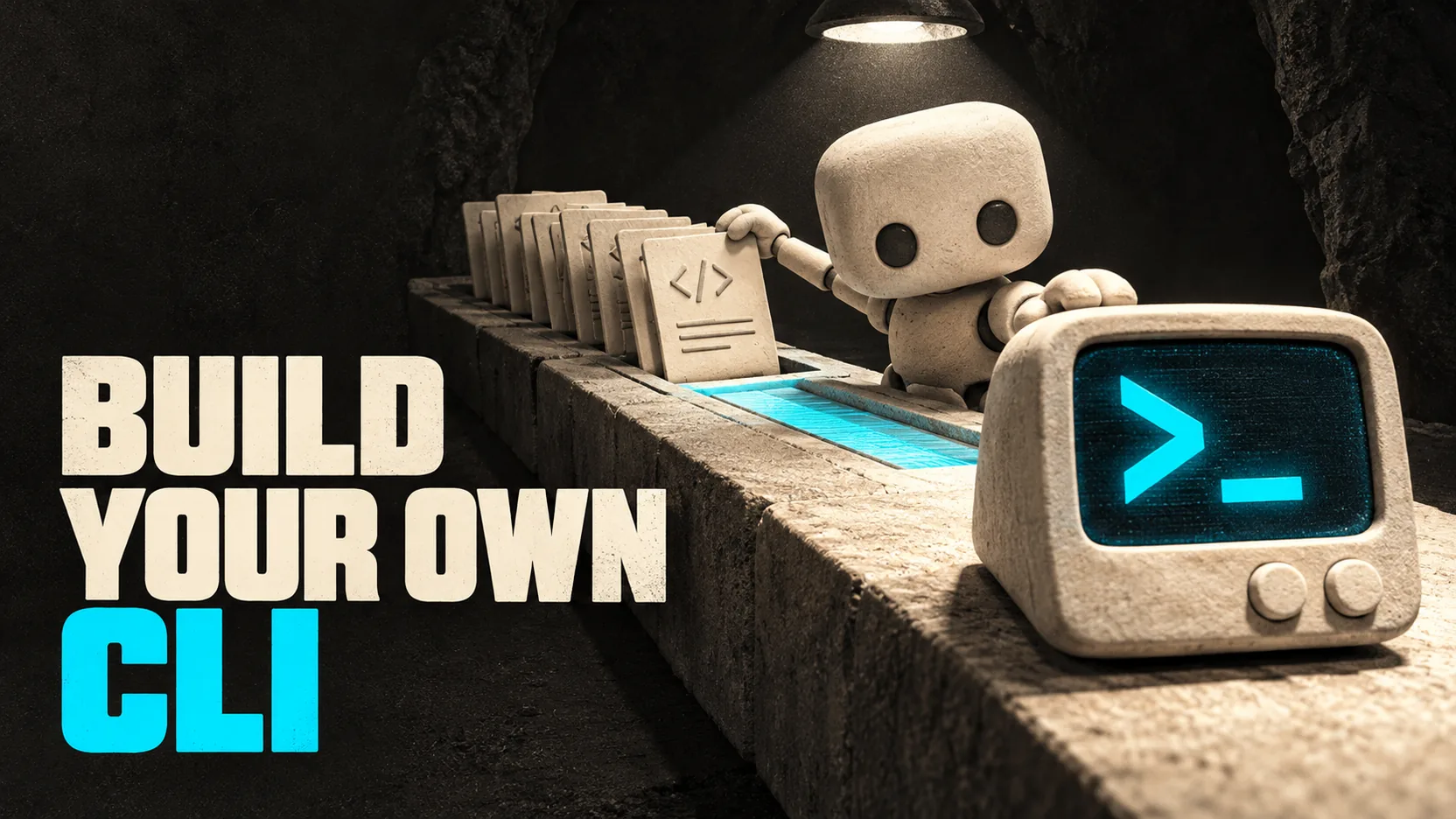
Build Your Own CLI.
Capture a service's docs, plan before any code, and build your own CLI with two skills, proven against the MCP it replaces.
Campaign Review Workflow.
One brief becomes three ideas and nine posts for YouTube Shorts, Instagram and LinkedIn, all on one proof sheet you approve, revise or hold. Nothing is posted. The package from drop one.
Research to Marketing.
Fifteen targets to pitch become one, every claim with its source, then a pitch packet and an email draft that only you can send. Podcasts, newsletters, partners, events or press.
n8n CLI Toolkit.
Your agent drives n8n from the terminal: 80+ commands, a catalogue of 543 nodes and 40 skills for the everyday moves. You need an n8n instance and its API key.

Slack CLI Toolkit.
Your agent reads and posts to Slack through one CLI: 306 API methods and 33 skills. You need a workspace where you can install a bot.
Zoom Automation Hub.
One script that runs your Zoom account from the terminal: meetings, recordings, transcripts, webinars, reports. You need a Server-to-Server OAuth app; about twenty minutes, mostly in the Zoom Marketplace.
YouTube Cairns.
A second brain built from YouTube channels you choose. Raw captions kept as they are, one dense card per video, about ten Cairns that fit your channel as the route map. Runs on your machine first.

gws CLI Connect.
Your agent reads your Gmail and Calendar through one CLI: one Google account, signed in through your browser, read access only. Two smoke tests prove the pipe; nothing is sent.